Monday, June 24, 2024

On the surface, Buddhism and Islam have more differences than similarities in their philosophies. While Islam is a monotheistic religion that believes in worshiping an almighty God, Buddhism rejects the notion of a creator God but does honor enlightened beings as deities.

 On the surface, Buddhism and Islam have more differences than similarities in their philosophies. While Islam is a monotheistic religion that believes in worshiping an almighty God, Buddhism rejects the notion of a creator God but does honor enlightened beings as deities.

Buddhism preaches vegetarianism and shunning alcohol and drugs. Islam also bans alcohol but does not preach vegetarianism.

A Buddhist who takes a spiritual refuge outside the Buddha, Dhamma and Sangha is not considered a Buddhist. S/he may study and learn from other religions, but to consider another teaching and to honour someone outside the Buddha, Dhamma and Sangha (collectively called the Sasana) as equal to or higher than the Sasana makes him/her a non Buddhist.

Comparison chart

Buddhism versus Islam comparison chart
Edit this comparison chartBuddhismIslam
BuddhismIslam
Place of originIndian subcontinentArabian Peninsula, Mecca at Mount Hira.
Use of statues and picturesCommon. Statues are used as meditation objects, and revered as they reflect the qualities of the Buddha.Images of God or prophets not permitted. Art takes the form of calligraphy, architecture etc. Muslims distinguish themselves from other groups by not drawing lifelike human works, which could be mistaken as idolatry. No image is representative of God
Belief of GodThe idea of an omniscient, omnipotent, omnipresent creator is rejected by Buddhists. The Buddha himself refuted the theistic argument that the universe was created by a self-conscious, personal God.Only one God (monotheism). God is the one True Creator. God has always existed, none existed before him and will exist forever. He transcends life and death. No part of His creation resembles Him, He cannot be seen, but sees all.
Life after deathRebirth is one of the central beliefs of Buddhism. We are in an endless cycle of birth, death and re-birth, which can only be broken by attaining nirvana. Attaining nirvana is the only way to escape suffering permanently.All beings created with reason will be accountable to God Almighty on the Day of Judgement. They will be rewarded for every atom's weight of good, and either forgiven or punished for evil deeds.
PracticesMeditation, the Eightfold Path; right view, right aspiration, right speech, right action, right livelihood, right effort, right mindfulness, right concentrationFive pillars: Testament that there is one God and Muhammad is his messenger (shahadah); prayer five times daily; fast during Ramadan; charity to the poor (zakat); pilgrimage (Hajj).
Place of worshipBuddhist monasteries, temples, shrines.Mosque/masjid, any place which is considered clean by Islamic standards.
FounderThe Buddha (born as Prince Siddhartha Gautama).Prophet Muhammad. According to Islamic scripture, all people who follow God's revealed guidance and the messengers sent with it 'submit' to that guidance, and are considered Muslims (ie. Adam, Moses, Abraham, Jesus, etc.).
ClergyThe Buddhist Sangha, composed of bhikkhus (male monks) and bhikkhunis (female nuns). The sangha is supported by lay Buddhists.Imam leads congregational prayer in a mosque. Sheikh, Maulana, Mullah and Mufti
Literal MeaningBuddhists are those who follow the teachings of the Buddha.Islam is derived from the Arabic root "Salema": peace, purity, submission and obedience. In the religious sense, Islam means submission to the will of God and obedience to His law. A Muslim is one who follows Islam.
Human NatureIgnorance, as all sentient beings. In the Buddhist texts, it is seen that when Gautama, after his awakening, was asked whether he was a normal human being, he replied, "No".Humans are born pure and innocent. Upon reaching adolescence, you are responsible for what you do, and must choose right from wrong. Islam also teaches that faith and action go hand-in-hand.
View of the BuddhaThe highest teacher and the founder of Buddhism, the all-transcending sage.N/A. Islamic scripture does not discuss or mention Gautam Buddha.
Means of salvationReaching Enlightenment or Nirvana, following the Noble Eightfold Path.Belief in one God, remembrance of God, repentance, fear of God and hope in God's mercy.
Goal of religionTo attain enlightenment and be released from the cycle of rebirth and death, thus attaining Nirvana.Fulfill gift and responsibility of this life through following the guidance of Holy Quran and Hadith, striving to serve mankind through compassion, justice, trustworthiness, and love for all of God's creation
MarriageIt is not a religious duty to marry. Monks and nuns do not marry and are celibate. Advice in the Discourses on how to maintain a happy and harmonious marriage.Islam is totally opposed to monasticism and celibacy. Marriage is an act of Sunnah in Islam and is strongly recommended. Men can only marry the "people of the book" i.e., Abrahamic religions. Women can only marry a Muslim man.
Confessing sinsSin is not a Buddhist concept.Forgiveness must be sought from God, there is no intermediary with him. If any wrong is done against another person or thing, forgiveness must first be sought from them, then from God, as all of God's creation have rights that must not be infringed
Religious LawThe Dharma.Shariah law (derived from Quran and Hadith) governs prayers, business transactions, and individual rights, as well as criminal and governmental laws. Religious debate, or 'Shura' is utilized for practical solutions to contemporary issues
FollowersBuddhistsMuslims
Geographical distribution and predominance(Majority or strong influence) Mainly in Thailand, Cambodia, Sri lanka, India, Nepal, Bhutan, Tibet, Japan, Myanmar (Burma), Laos, Vietnam, China, Mongolia, Korea, Singapore, Hong Kong and Taiwan. Other small minorities exist in other countries.There are 1.6 billion. By the percentage of the total population in a region considering themselves Muslim, 24.8% in Asia-Oceania, 91.2% in the Middle East-North Africa, 29.6% in Sub-Saharan Africa, around 6.0% in Europe, and 0.6% in the Americas.
Original Language(s)Pali(Theravada tradition) and Sanskrit(Mahayana and Vajrayana tradition)Arabic
ScripturesTripitaka - a vast canon composed of 3 sections: the Discourses, the Discipline and the Commentaries, and some early scriptures, such as the Gandhara texts.The Qur'an, and traditions of the Holy Last messenger Muhammad, called 'Sunnah' which is found in narrations or 'hadiths' by the men around him.
Population500-600 million1.6 billion Muslims
View of other Dharmic religionsSince the word Dharma means doctrine, law, way, teaching, or discipline, other Dharmas are rejected.N/A.
SymbolsThe conch, endless knot, fish, lotus, parasol, vase, dharmachakra (Wheel of Dharma), and victory banner.Muhammad's name in calligraphy is common. There is also the black standard that says "There is no god but God and Muhammad is the last messenger of God" in Arabic. The star and crescent is not Islam per se; it is inspired by the Ottoman empire.
Status of womenNo distinctions between men and women. Women are equal to men, and men are equal to women in the Sangha. The Buddha gave Men and Women equal rights and a major part in the Sangha.The prophet said "Do good to and serve your mother, then your mother, then your mother, then your father, then the near relatives and then those who come after them." Islam's honoring women is the great status of the mother in Islam.
Authority of Dalai LamaDalai Lamas are tulkus of the Gelug school of Tibetan Buddhism. They are cultural figures and are independent of the doctrinal basis of Buddhism.N/A.
Status of VedasThe Buddha rejected the 5 Vedas, according to the dialogues seen in the nikayas.N/A
Views on Other ReligionsBeing a practical philosophy, Buddhism is neutral against other religions.Christians and Jews are regarded as the people of the book, who hold a great deal of respect over materialists but are disbelievers far from the correct path.
PrincipleThis life is suffering, and the only way to escape from this suffering is to dispel one's cravings and ignorance by realizing the Four Noble Truths and practicing the Eightfold Path.Say, "He is Allah , [who is] One, Allah , the Eternal Refuge. He neither begets nor is born, Nor is there to Him any equivalent." - Quran: Surah Al Ikhlas
Time of origin2,500 years ago, circa 563 B.C.E. (Before Common Era)600 C.E.
Concept of DeityAccording to some interpretations, there are beings in heaven's realms but they are also bound by "samsara". They may have less suffering but have not yet achieved salvation (nibbana)God (Allah) is the only god and is all-powerful and omniscient.
No. of Gods and GodessesNumerous deities. No supreme creator.1 God
Spiritual BeingsBuddhas, Bodhisattvas, Devas, & gods & goddesses.Angels, demons, spirits, jinn (genies).
Most Common SectsMahayana, Theravada, Vajyana. Zen is the most well-known Mahayana sect. Tibetan is the most well-known Vajyana sect.Sunni, Shia.
Founders and Early LeadersBuddha & his disciples.Muhammad, Abu Bakr, Umar, Uthman, Ali
On AtheismVaries. It is possible for a Buddhist to be atheist.Varies, but atheism can be very dangerous in some Muslim nations. "O Prophet! strive hard against the unbelievers and the Hypocrites, and be firm against them. Their abode is Hell, an evil refuge indeed." —Surat At-Tawbah 9:73
On Other ReligionsBuddhists usually see no contradiction in following more than 1 religion.Most Muslims believe all other religions are false. "Fight those who believe not in Allah nor the Last Day...until they pay the Jizya with willing submission, and feel themselves subdued."—Surat At-Tawbah 9:29 Disbelievers will go to eternal hell.
On AfterlifeReincarnation, Hell, or ultimate Nirvana.Eternal life in heaven (paradise) or hell (torment).

From Buddist to Islam-A revert story.


The story of reverted Hongkong Muslim.


Why are Japanese Converting to Islam?


The fallacy of Christianity and Bible in Africa.


Repentance or towaba is not accepted by Allah from two kinds of people:

 Repentance or towaba is not  accepted by Allah from two kinds of people:


1. Those who persist or continue evil deeds or sinful act for whole life until the time of death comes and

2. Those who die in the state of being disbelievers.


"But repentance is not [accepted] of those who [continue to] do evil deeds up until, when death comes to one of them, he says, "Indeed, I have repented now," or of those who die while they are disbelievers. For them We have prepared a painful punishment.


Al Quran 4:18.


Many people involve in bribery,  corruption for whole life and in old age they repent and repentance from such people will not be accepted.

Allah describes the severity of punishment in hell fire.

 Allah describes the severity of punishment in hell fire.


Indeed, those who disbelieve in Our verses - We will drive them into a fire. Every time their skins are roasted through, We will replace them with other skins so they may taste the punishment. Indeed, Allāh is ever Exalted in Might and Wise.


Al Quran 4:56

This Quranic verse is stunning good news or bad news for human beings dealing with social, political and business activities. If one advises assists for good to others, he will have share of rewards of the good deeds done by others and if one assists or advises for bad deeds, he will bear the share of sins of bad deeds done by others.

 This Quranic verse is stunning good news or bad news for human beings dealing with social, political and business activities. If one advises assists for good to others, he will have share of rewards of the good deeds done by others and if one assists or advises for bad deeds, he will bear the share of sins of bad deeds done by others.


"Whoever assists for a good cause will have a share [i.e., reward] therefrom; and whoever intercedes for an evil cause will have a portion [i.e., burden] therefrom. And ever is Allāh, over all things, a Keeper."


Al Quran 4:85.


Many of us are continuously accumulating sin just by advising for bad deed, following evil social or political leaders without direct involvement in bad deeds and vice versa.

Allah advises the believers not to make allies or friends with disbelivers instead of believers and making friendship with disbelivers is one of the clear evidences to justify the warrants of punishment.

 Allah advises the believers not to make allies or friends with disbelivers instead of believers and making friendship with disbelivers is one of the clear evidences to justify the warrants of punishment. 


"O you who have believed, do not take the disbelievers as allies instead of the believers. Do you wish to give Allāh against yourselves a clear evidence?"


Al Quran 4:144.

Allah describes the story of Adam AWS's two sons and a crow in the Quran.

 Allah describes the story of Adam AWS's two sons and a crow in the Quran.


And recite to them the story of Adam's two sons, in truth, when they both made an offering [to Allāh], and it was accepted from one of them but was not accepted from the other. Said [the latter], "I will surely kill you." Said [the former], "Indeed, Allāh only accepts from the righteous [who fear Him]. If you should raise your hand toward me to kill me - I shall not raise my hand toward you to kill you. Indeed, I fear Allāh, Lord of the worlds. Indeed, I want you to obtain [thereby] my sin and your sin so you will be among the companions of the Fire. And that is the recompense of wrongdoers." And his soul permitted to him[1] the murder of his brother, so he killed him and became among the losers. Then Allāh sent a crow searching [i.e., scratching] in the ground to show him how to hide the disgrace[1] of his brother. He said, "O woe to me! Have I failed to be like this

 crow and hide the disgrace [i.e., body] of my brother?" And he became of the regretful. 

Because of that, We decreed upon the Children of Israel that whoever kills a soul unless for a soul[1] or for corruption [done] in the land[2] - it is as if he had slain mankind entirely. And whoever saves one[3] - it is as if he had saved mankind entirely. And Our messengers had certainly come to them with clear proofs. Then indeed many of them, [even] after that, throughout the land, were transgressors.


Al Quran 5:27-32

Allah will not leave us or save us from punishment until He clearly knows who fight with wealth and lives for His cause and who make friendship with others leaving behind Allah, His messenger and believers.

 Allah will not leave us or save us from punishment until He clearly knows who fight with wealth and lives for His cause and who make friendship with others leaving behind Allah,  His messenger and believers. 


Do you think that you will be left [as you are] while Allāh has not yet known those among you who strive [for His cause] and do not take other than Allāh, His Messenger and the believers as intimates? And Allāh is [fully] Aware of what you do.


Al Quran  9:16.

Japanese scholar converted to Islam due to water of ZAM ZAM.


4 Types Of Prayers In Islam: Fard, Wajib, Sunnah, And Nafl

 194154 Views
types-of-prayers-in-islam

In Islam, praying is considered the supreme act of worship and the ultimate way of demonstrating servitude to Allah. There is a set of specific rules and regulations, such as timings, frequency and direction, associated with different prayers in Islam. These prayers provide Muslims with a way of expressing their love, respect and gratitude toward the almighty, Allah. There are four different types of prayers in Islam, including Fard (obligatory prayers), Wajib (required prayers), Sunnat and Nafl (voluntary prayers). Let’s understand each of these in detail along with different types of namaz.

fard-prayers-islam

1. Fard, or the Obligatory Prayers in Islam

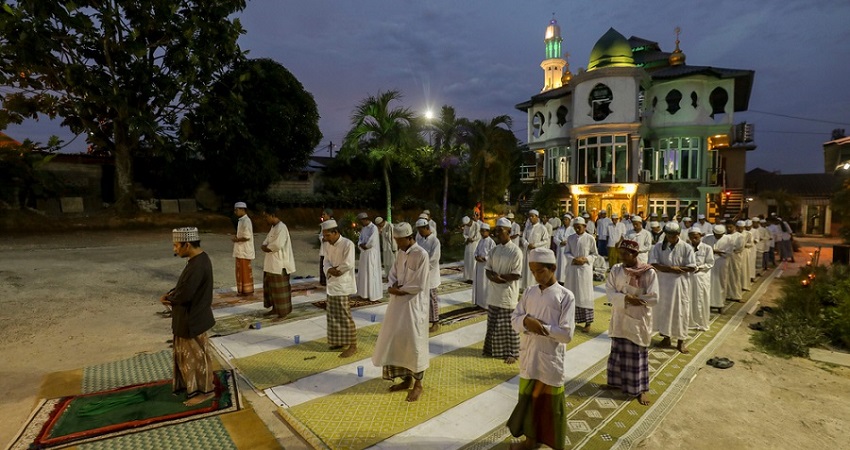
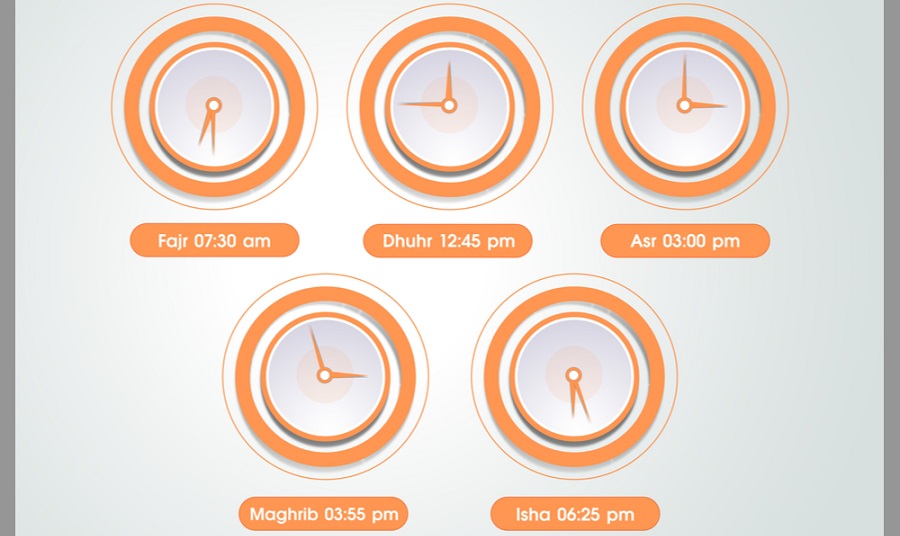
According to all the Sunni schools, Fard or obligatory prayers are compulsory for every Muslim. Followers of Islam are required to perform five obligatory prayers every day. An individual can be rendered as a sinner or a non-Muslim on failing to observe these prayers every day. The five obligatory prayers include:

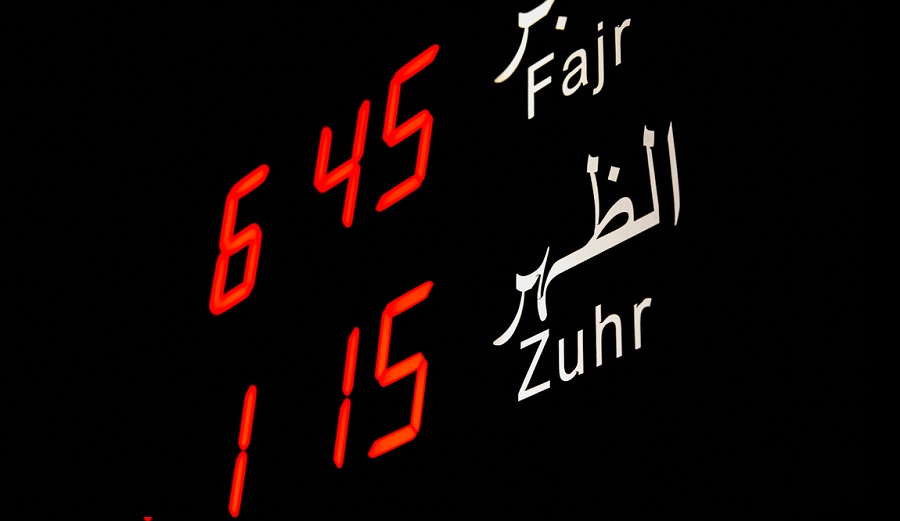
a) Salat al-Fajr: Also known as the morning prayer, Salat al-Fajr consists of four rakahs (units) including two obligatory rakahs and two Sunnah rakahs. During the morning prayer, Sunnah rakahs are performed first followed by the obligatory rakahs.

fajr-prayer-time

b) Salat al-Zuhr: The afternoon prayer or Salat al-Zuhr is composed of 10 rakahs including four obligatory rakahs and six Sunnah rakahs. During the afternoon prayer, the four Sunnah rakahs are performed first, followed by four obligatory rakahs, and ending with two last Sunnah rakahs.

c) Salat al-Asr: Also called the late afternoon prayer, Salat al-Asr consists of eight rakahs. The four Sunnah rakahs are performed first and then four obligatory rakahs.

asr-prayer

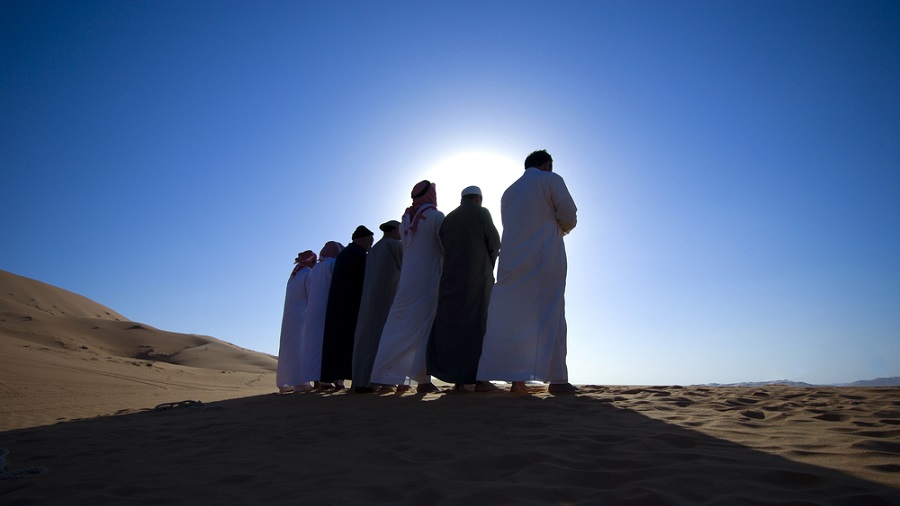
d) Salat al-Maghrib: Consisting of five rakahs, the sunset prayer or Salat al-Maghrib is observed by performing three obligatory rakahs first, followed by the two Sunnah rakahs.

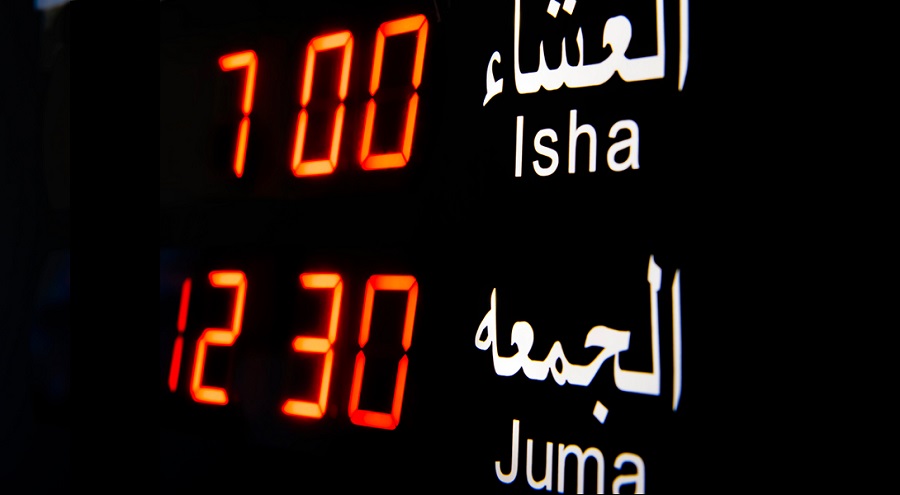
e) Salat al-Isha: Composed of 10 rakahs, Salat al-‘Isha or the night prayer is observed by performing the four Sunnah rakahs first, and then the four obligatory rakahs, followed by the two last Sunnah rakahs.

It is sinful to miss out on performing obligatory prayers intentionally. However, if the prayer is missed due to forgetfulness or some other unavoidable circumstances, then the missed prayer can be offered as soon as possible.

Suggested Read: 10 Most Beautiful Mosques In The World

2. Wajib Prayers, required or obligatory in a situation

Wajib prayers are also obligatory and it is considered sinful to miss them. Anyone who misses a Wajib prayer unintentionally does not need to offer it as a Qada, which means the offering of a missed prayer. Wajib prayers are as follows:

a) Salat al-Witr: Consisting of three rakahs, this prayer is performed every day after the night prayer.

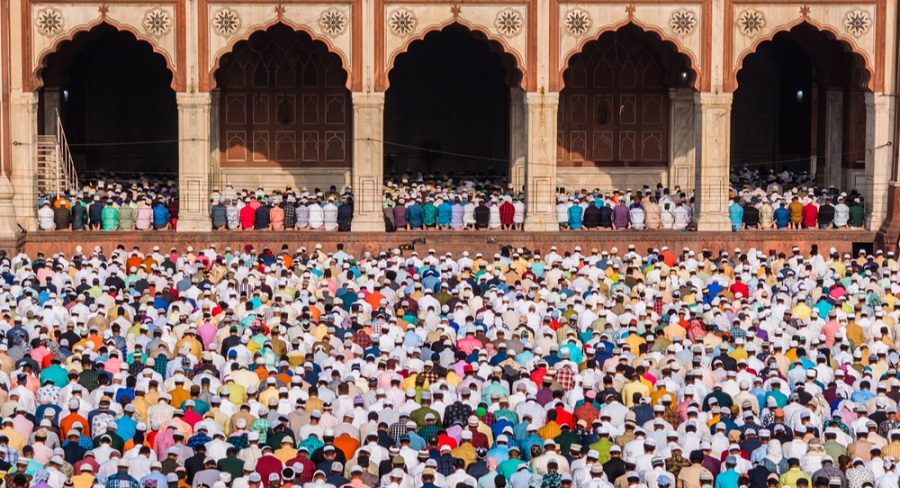
b) Salat-al-Eidain, or the Festival Prayers: It includes two rakahs of Eid Ul-Adha and two rakahs of Eid Ul-Fitr.

salat-al-eidain-festive-prayers

c) During Tawaf: Two rakahs are also observed while walking around the holy Kaaba for pilgrimage.

3. Sunnah Prayers In Islam

The third among the four types of prayers in Islam are called Sunnat or Sunnah. Offered by Prophet Muhammad (PBUH), Sunnah prayers are performed compulsorily in addition to obligatory prayers. Considered to be mandatory by all jurists, missing out on performing Sunnah prayers intentionally is censurable. Following are regarded as Sunnah prayers:

a) Two rakahs before Salat al-Fajr

zuhr-prayers

b) Four rakahs before Salat al-Zuhr and two rakahs after Salat al-Zuhr

c) Two rakahs after Salat al-Maghrib

d) Two rakahs after Salat al-Isha

isha-prayer-time

There are broadly two types of Sunnah prayers—prayers performed before/after obligatory prayers and the ones performed independently. So, there are Sunnahs of daily ritual prayers and the special Friday prayers that fall in the first category. And the independent prayers are : Tarawih – performed between Isha and Witr during Ramadan; Tahajjud – performed between Isha and Fajr prayers; Duha – performed an hour after/before sunrise/highest point of Sun; Awwabin – performed between Maghrib and Isha; and Wudu – performed after ablution.

4. Nafl or Voluntary Prayers in Islam

Amongst all types of salah in Islam, Nafl or voluntary prayers are performed for extra virtue. However, missing out on them is not considered sinful. It is believed that the more Nafl prayers are performed, the greater will be the reward and credit. There is a wide range of Nafl prayers, including:

Non Obligarory Prayers in Islam

a) Salat at-Tahajjud: Also known as late night prayer, Salat at-Tahajjud is performed in the middle of the night and is considered the most rewarding of all Nafl prayers. The Tahajjud prayer method involves performing an even number of rakahs after Salat al-Isha.

b) Salat al-Ishraq: It is a Nafl prayer performed about 20-45 minutes after sunrise.

c) Salat ad-Duha: Also known as Chaasht Salah, it is performed after around one-third of the day has passed.

duha-prayer

d) Salat al-Awwabin: Performing this prayer involves 6 to 20 rakahs Nafl in sets of two units after performing the Sunnah and Fard of Maghrib.

Prayers, also known as salat or namaz in Islam are an important form of worship in Islam. Different types of prayers in Islam are offered for different objectives and rewards. It is important to understand each of these types of namaz and the right way of offering them. They are nothing but a way to communicate with God and thus purity of intention and wudu are utmost important to offer salah or prayer in Islam.

Suggested Read:Dos And Don’ts Of Ramadan: A Complete Etiquette Guide

FAQs about the types of prayers in Islam

How many voluntary prayers are there?

There are numerous Nafl prayers that one can recite on different occasions. Some of the popular voluntary prayers include Salat at-Tasbih, Salat as-Safar, Salat al-Istikhara, Salat al-Hajat and Salat at-Tauba.

Why do Muslims perform prayers?

It is believed that performing prayers bring worshippers face to face with Allah. Prayers offer the means of conveying one’s gratitude and devotion to the almighty, purifying him/her in mind and spirit. Apart from performing prayers, Muslims can also worship Allah by reciting Dua or Tasbih (a form of remembrance of Allah).

What is the relevance of Adhan to prayers in Islam?

Muslims can perform prayers wherever they want. However, it is preferable if they pray in the mosque with a congregation of other Muslims. This is why Prophet Muhammad (PBUH) introduced the concept of Adhan, which means a call to prayer. Adhan was designed to draw worshippers together and remind them when it is time to pray.

What is Tahiyyat al-Masjid?

Tahiyyat al-Masjid is an independent voluntary prayer comprising two rakahs. It is performed by anyone who is entering a mosque. "Let one of you pray two units of prayer when s/he enters a mosque before sitting down!" - Bukhari, Salat, 60

Are there any restrictions associated with the performance of voluntary prayers (Nafl)?

Nafl prayers should not be performed during the times forbidden for prayers. For instance, they should not be offered between Salat al-Asr and Salat al-Maghrib. Also, it is preferable to perform voluntary prayers at home instead of in a mosque, with an exception of those prayers which have been specifically prescribed to be offered in a mosque.

Dr Omar Ayoub

Dr. Omar Ayoub is a tech enthusiast and a part time researcher and accounts authorship of several international publications. He holds a PhD in Computer Science from USA and has an experience of more than 10 years in Saudi Arabia working in tourism, hospitality, education, technology and retail sector. His interests include traveling, writing, and exploring trending technologies.

Leave a Reply