Islam promotes cleanness and purification of mind body and environment.
Islam orders cleanliness of mind, body and environment




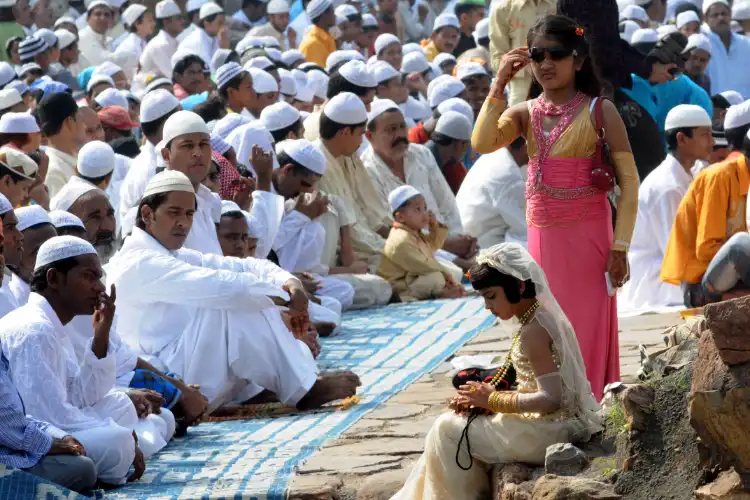
Eman Sakina
The cleanliness of the heart and the body is an important essential of Islam. The Prophet pointed to those two issues with the following hadith: “Islam was built on the foundation of cleanliness.” Another hadith that reminds us of the principle of cleanliness is as follows: “Allah is clean; He loves clean.”
One of Islam's greatest advantages is the practice of cleanliness and cleansing. Islam has placed such a high value on cleanliness that it has been regarded as one of the religion's goals. In Islam, maintaining one's hygiene is not only seen as a healthy habit but also made into rituals that are integral to the religion. When participating in daily prayers, a Muslim must be clean, which includes thoroughly cleaning himself after using the restroom and completing ablution.
Friday Musings
Many acts of worship in Islam necessitate that one is physically and ritually pure. On the physical side, Islam requires the Muslim to clean his body, his clothes, his house, and the whole community, and he is rewarded by God for doing so.
There are many instructions in connection with health, hygiene, and nutrition and about the cleanliness of air and environment in Islam. Some of them are listed below:
Wash your mouth and hands before and after a meal.
Take a bath and perform ablution for offering prayers.
Go to bed early and rise early in the morning.
Keep your clothes and body clean.
Use fragrance or perfume.
Do Miswak regularly.
Go for a walk in the morning.
Keep food and water covered.
Comb your hair and use oil on the hair.
Offer Salah with clean body and clothes.
Keep your house, streets, and environment clean.
While most people view cleanliness as a desirable attribute, Islam argues that it is a necessary element of the faith. A Muslim must be physically healthy as well as morally and spiritually clean. Islam demands that the serious believer sanitize and cleanse his entire manner of life following the Quran and Sunnah.
Cleanliness and purification are of two types in which we have inner purification and outer purification.
Inner Purification: Inner purification can be achieved by encouraging the five pillars of Islam. Having clean and pure thinking, avoiding sins, making a lot of dhikrs, and most importantly making sure the heart is pure of spiritual affliction such as anger, hatred, relying on other people than Allah, pride, arrogance, etc.
Outer Purification: Outer purification can be obtained by proper bodily purification e.g. making ablution, taking bath, cleaning teeth, using fragrance, keeping house and clothes clean, etc.
Cleanliness is the pathway to health and strength. Islam wants a healthy and strong Muslim society that is capable of understanding and applying Allah’s message and carrying it away to the whole world and not only to oneself. The Holy Quran says: “You are the best community that has been raised up for mankind, enjoining what is right, forbidding what is wrong, and believing in Allah.” (Quran, 3:110)
Besides the cleanliness of the body, Islam requires a Muslim to keep his clothes, houses, and streets clean. A Muslim cannot offer his prayers with an unclean body, clothes, or using dirty premises. They are asked to use clean water and keep it safe from impurities and pollution.
In our environment, Muslims are also instructed in Islam to maintain the cleanliness of the roads and streets. This is considered a charity to ridding the streets of impurities and filth. In hadith from Abu Dawud No.26 tells:
ALSO READ: Why you should not suppress your emotions?
“Beware of the three acts that cause others to curse you: relieving yourselves in a watering place, on footpaths or shaded places.”



Also Likes
.webp "A representational image")

Latest News






' x='0' y='0' height='100%25' width='100%25' xlink%3Ahref='data%3Aimage/jpeg;base64,/9j/4AAQSkZJRgABAQAAAQABAAD/2wBDABALDA4MChAODQ4SERATGCgaGBYWGDEjJR0oOjM9PDkzODdASFxOQERXRTc4UG1RV19iZ2hnPk1xeXBkeFxlZ2P/2wBDARESEhgVGC8aGi9jQjhCY2NjY2NjY2NjY2NjY2NjY2NjY2NjY2NjY2NjY2NjY2NjY2NjY2NjY2NjY2NjY2NjY2P/wAARCAAIAAYDASIAAhEBAxEB/8QAFQABAQAAAAAAAAAAAAAAAAAAAAb/xAAaEAACAwEBAAAAAAAAAAAAAAACAwABBBIh/8QAFAEBAAAAAAAAAAAAAAAAAAAAAP/EABQRAQAAAAAAAAAAAAAAAAAAAAD/2gAMAwEAAhEDEQA/AJPQ1R5UqXl4MfSZ1d2URED/2Q=='%3E%3C/image%3E%3C/svg%3E)

.jpeg)
